
How PHA Works
A new way to create high-performance materials that perform like plastic and leave nothing harmful behind.
What is Polyhydroxyalkaniate (PHA)?
PHA is a class of materials produced naturally through bacterial fermentation.
Unlike traditional plastics, PHA is designed to:
-
Perform like conventional materials during use
-
Break down safely at end of life
-
Leave no microplastics behind
It’s not just a more sustainable plastic. It changes what happens after your product is used.
How PHA Works
At a high level, the process is straightforward:

Step 1 — Start with renewable inputs
Natural carbon sources feed the system

Step 2 — Use fermentation to create the polymer
Bacteria convert those inputs into PHA

Step 3 — Refine into usable material
The polymer is purified and prepared for performance

Step 4 — Tailor for your application
Material properties are adjusted to meet your product requirements
Why This Matters For Dental Products
From aligners to whitening trays, dental products are used daily and directly in the patient’s mouth. That raises a different set of questions, not just about performance, but about what materials leave behind over time.
PHA makes it possible to maintain performance while changing the long-term impact.
It can be engineered for:

Clarity or opacity
Flexibility or rigidity
Durability or controlled breakdown
Which means it can be applied across the products your teams are already developing.
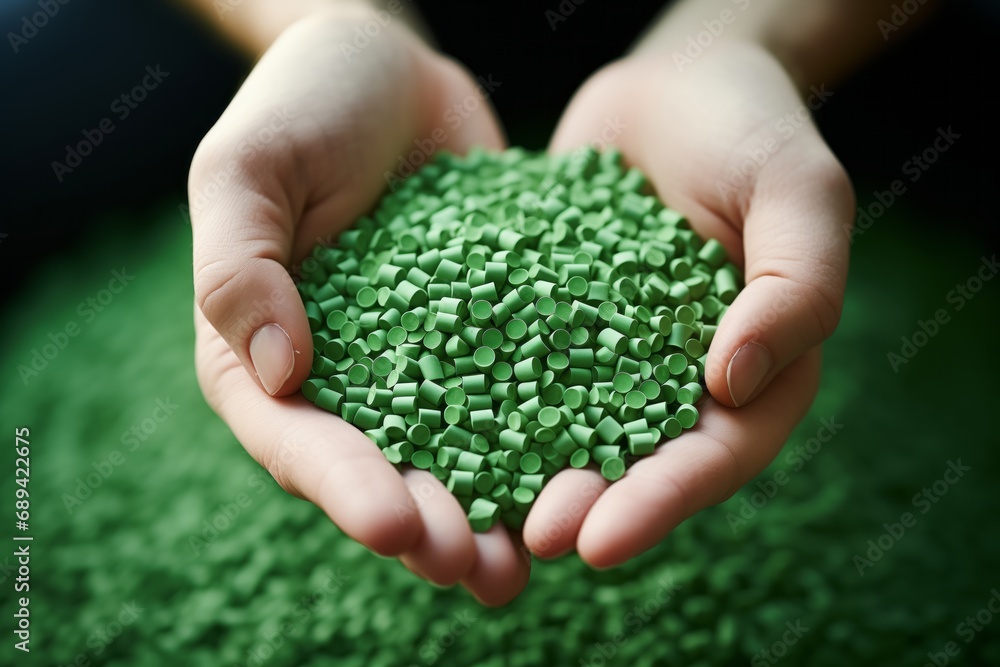
Making PHA work in your product
The material is only part of the story. What matters is how it performs in your application. That’s where Phast comes in.
We work with your team to:
- Match the performance of your existing material
- Optimize for your manufacturing process
- Refine until it works in real-world conditions
Because a material only matters if it works in your product.
PHA: A Better Bioplastic for a Better World
Whether you’re exploring alternatives or actively developing something new, we’ll help you understand if PHA is the right fit, and what it would take to make it work in your application.